Colored Concrete Walls vs. Traditional Concrete Finishes
People seeking concrete wall finishing often want durable, attractive surfaces; local contractors can expertly apply colored or traditional finishes to meet their style and needs.
Visitors exploring options for concrete wall finishes are in the right place to discover practical insights into colored concrete walls versus traditional concrete finishes. For property owners in the area, understanding the differences can help inform decisions about enhancing curb appeal, durability, and overall aesthetic value. Whether considering a vibrant, customized look or a classic, understated finish, knowing what each option offers can make a significant difference in achieving the desired outcome. Local contractors specializing in concrete wall finishing can provide tailored guidance and quality craftsmanship to bring these ideas to life.
As property owners evaluate their concrete wall projects, it's helpful to consider how colored concrete walls compare to traditional finishes in terms of style, maintenance, and long-term appeal. Many local service providers can assist in exploring these options, ensuring the chosen finish complements the property's design while meeting functional needs. Keep reading to learn more about the benefits and considerations of each approach, and discover how experienced concrete wall finishing professionals can help turn these choices into reality.
- Concrete wall finishing services are often sought for projects requiring a durable and aesthetically appealing surface, with local contractors offering customized solutions for colored concrete walls vs. traditional concrete finishes. When homeowners want vibrant or unique color effects, local pros can apply specialized stains or dyes to achieve the desired look. For those preferring a classic, uniform appearance, service providers typically utilize standard finishing techniques to create traditional concrete finishes. Clients aiming to enhance visual interest or match specific design themes may turn to local contractors experienced in colored concrete wall applications. Overall, local pros can help determine the best finishing approach based on the project’s style preferences and functional needs.
When searching for information about colored concrete walls versus traditional concrete finishes, homeowners are often trying to determine which option best suits their property’s aesthetic and functional needs. This comparison typically arises during planning phases for exterior or interior renovations, landscape projects, or new construction. People want to understand the visual impact, durability, maintenance requirements, and overall cost differences between the two finishes. The goal is to select a concrete wall treatment that enhances curb appeal, complements existing design elements, and withstands the local climate and environmental conditions. As such, homeowners often look for guidance on how these finishes can be integrated into different property types and architectural styles.
The decision between colored concrete walls and traditional finishes is closely linked to specific project goals and potential problems. For example, colored concrete can provide a customized, vibrant look that adds personality and uniqueness to a property, making it appealing for decorative walls or accent features. Traditional finishes, such as plain gray or stamped concrete, tend to offer a more neutral, classic appearance that can blend seamlessly with various landscape or building styles. Homeowners may also consider issues like fading, staining, or cracking over time, which can influence the choice of finish. The type of property involved-whether a residential backyard, commercial storefront, or community boundary wall-often guides the selection, as each environment has different aesthetic preferences and durability needs.
Properties that typically come up in these discussions include residential homes, especially those with landscaped yards or outdoor living spaces, as well as commercial buildings seeking a durable yet attractive boundary or facade. Multi-family complexes may opt for colored finishes to create a welcoming entrance or common area, while individual homeowners might prefer the subtle elegance of traditional concrete with decorative accents. Additionally, public parks, schools, or community centers sometimes choose colored concrete for its ability to add visual interest without sacrificing strength. Local contractors who specialize in concrete wall finishing can help assess the specific property type and advise on the most suitable finish based on the desired look, environmental conditions, and long-term performance.
Understanding how colored concrete walls compare to traditional finishes helps homeowners make informed decisions aligned with their project plans. Local service providers can offer a range of options, from vibrant, eye-catching colors to understated, classic looks, ensuring the chosen finish meets both aesthetic and practical requirements. Whether the goal is to create a striking feature wall or a durable boundary that maintains its appearance over time, these professionals can handle the installation and finishing details that bring the vision to life. Connecting with experienced local contractors ensures the project benefits from expert guidance tailored to the specific property and design goals, making the process smoother and results more satisfying.
Stamped concrete projects - These projects involve decorative surface patterns and textures that require similar planning and finishing skills as colored concrete walls versus traditional finishes, with local contractors able to provide both options.
Exposed aggregate installations - This finish emphasizes surface texture and requires precise surface preparation, making it comparable in skill and tools to applying colored or traditional concrete wall finishes.
Concrete overlay applications - Overlays involve applying new surface layers to existing concrete, requiring planning and surface preparation skills similar to those used in decorative wall finishes.
Concrete resurfacing projects - Resurfacing involves surface preparation and finishing techniques that align with the skills needed for both colored concrete walls and traditional finishes.
Architectural concrete features - Custom architectural elements like decorative panels or facades involve detailed planning and finishing techniques comparable to decorative concrete wall finishes.
Paver and decorative stonework - These projects require surface preparation and finishing skills that are similar to those used in creating colored concrete walls versus traditional finishes, with local contractors able to handle both.
When evaluating service providers for concrete wall finishing, it’s important to consider their experience with similar projects, particularly those involving colored concrete walls versus traditional concrete finishes. Contractors with a proven track record in handling these specific types of finishes can better anticipate potential challenges and deliver results that meet expectations. Homeowners should inquire about past work that aligns with their project’s scope, ensuring the contractor has familiarity with the unique techniques and materials associated with colored concrete versus standard finishes. This focus on relevant experience helps ensure the chosen local contractor understands the nuances of each approach and can provide informed recommendations.
Clear, written expectations are vital when comparing local contractors for concrete wall finishing services. A detailed scope of work, including the desired finish type, color selection, surface preparation, and any special treatments, helps prevent misunderstandings. Homeowners should seek service providers who can articulate their process and outline what is included in the project scope. Having these expectations documented allows for easier comparison between contractors and provides a reference point throughout the project, ensuring that both parties are aligned on the desired outcome and the steps involved in achieving it.
Reputation and communication are also key factors when selecting local contractors for concrete wall finishes. Reputable service providers often have established references or portfolios that demonstrate their ability to complete similar projects successfully. Good communication, including prompt responses and clear explanations, can significantly influence the overall experience. Homeowners should look for contractors who are transparent about their processes and willing to address questions or concerns. Establishing a strong line of communication helps ensure that the project progresses smoothly and that the finished concrete walls-whether colored or traditional-meet the homeowner’s expectations.
Property owners often search for colored concrete walls vs. traditional concrete finishes when they are planning practical projects around their homes and businesses. Local pros provide Concrete Wall Finishing services for everyday jobs and straightforward project options.
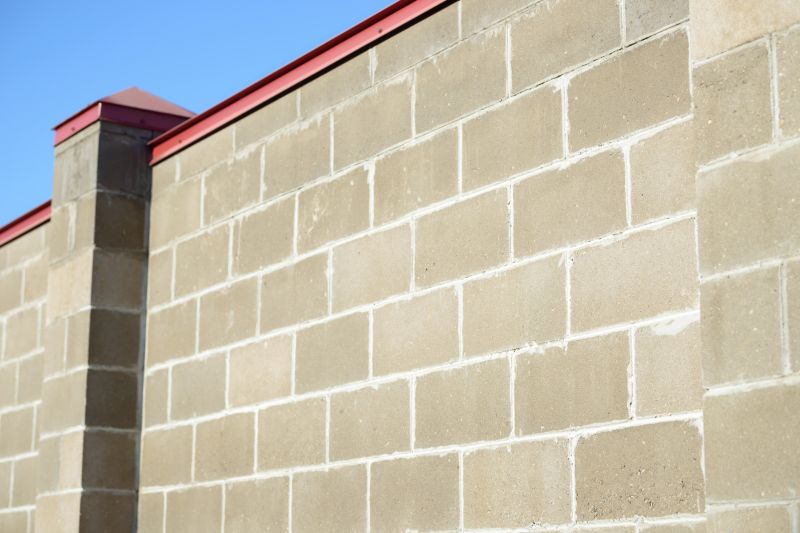
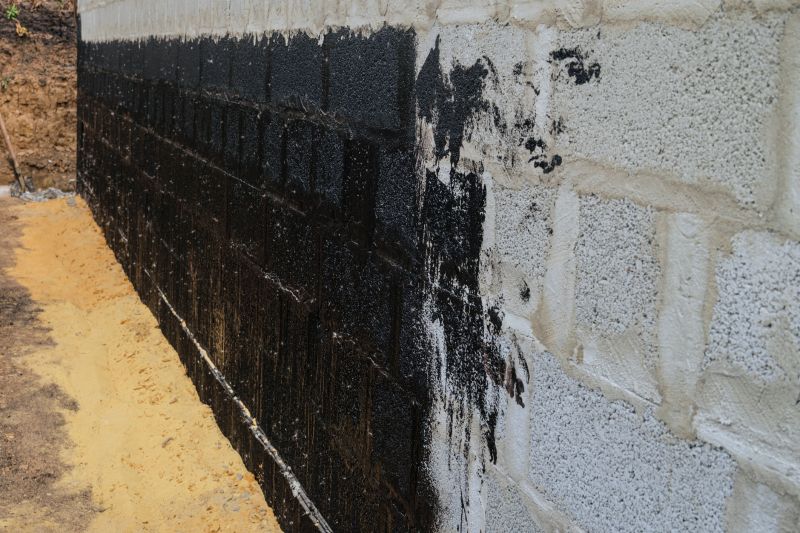
When considering concrete wall finishes for a property, many property owners in the area explore the differences between colored concrete walls and traditional concrete finishes. Colored concrete walls can add a vibrant, customized look to outdoor spaces, driveways, or retaining walls, making them stand out with a unique style. On the other hand, traditional concrete finishes tend to offer a classic, understated appearance that emphasizes durability and simplicity. Homeowners often look up this topic to decide which option aligns best with their aesthetic preferences and long-term maintenance needs, especially when planning updates or new installations.
Choosing between colored concrete walls and traditional finishes involves understanding the visual impact and practical benefits each provides. Local contractors who specialize in concrete wall finishing can help evaluate the specific needs of a project, whether that’s creating a bold statement or maintaining a timeless look. Property owners might seek these services to enhance curb appeal, improve durability, or achieve a particular design vision. Connecting with experienced service providers can ensure the chosen finish complements the property’s style while meeting functional requirements.
What are the main visual differences between colored concrete walls and traditional concrete finishes? Colored concrete walls typically feature vibrant or subtle hues integrated into the surface, offering a more decorative appearance. Traditional finishes usually have a plain, gray look with minimal color variation, focusing on the natural concrete texture.
How durable are colored concrete walls compared to traditional finishes? When properly installed by local contractors, colored concrete walls can be highly durable and resistant to fading or staining. Traditional concrete finishes also offer durability but may require sealing to maintain their appearance over time.
Are there specific advantages to choosing colored concrete walls over traditional finishes? Colored concrete walls provide enhanced aesthetic options and can reduce the need for additional painting or finishing. They can also help achieve a more customized look that complements specific design preferences.
Can local contractors help with the installation of both colored and traditional concrete finishes? Yes, local service providers are experienced in installing both colored concrete walls and traditional finishes, ensuring proper application and long-lasting results.
What maintenance considerations are associated with colored concrete walls versus traditional finishes? Colored concrete walls may require sealing to preserve their color and prevent staining, while traditional finishes often need periodic cleaning and sealing to maintain their appearance. Both can be maintained effectively with professional guidance from local contractors.
Color selection options - property owners can explore various color choices to match their outdoor or indoor design themes by working with local contractors experienced in colored concrete walls.
Design customization - incorporating unique patterns or textures into colored concrete walls allows property owners to add personalized style to patios, driveways, or feature walls with the help of local service providers.
Finish durability considerations - choosing between colored concrete walls and traditional finishes involves understanding the longevity and maintenance needs, which local pros can advise on for different project environments.
Application techniques - property owners can discuss different finishing methods, such as staining or stamping, with local contractors to achieve desired aesthetic effects on concrete walls.
If you are thinking about colored concrete walls vs. traditional concrete finishes for a property, this guide is meant to help you understand this topic, the typical project types, and how different options might fit your plans.
When you are ready, you can use the quote form on this page to share a few details about your project. From there, local pros can review the basics and follow up with options that match what you have in mind.