How Weather Exposure Impacts Residential Stamped Concrete Surfaces
Homeowners seeking residential stamped concrete repair can rely on local contractors to address weather-related damage and restore the surface's appearance and durability.
Understanding how weather exposure impacts residential stamped concrete surfaces is essential for property owners looking to maintain the beauty and durability of their outdoor spaces. In areas with varying temperatures, moisture levels, and seasonal changes, stamped concrete can face challenges such as cracking, fading, or surface deterioration over time. Property owners in the local area who want to preserve the appearance of their stamped concrete often explore this topic to learn practical ways to protect their investment and ensure their surfaces withstand the elements.
For those considering repairs or ongoing maintenance, local contractors specializing in stamped concrete repair can offer valuable solutions tailored to weather-related issues. Whether addressing surface damage caused by temperature fluctuations or restoring faded patterns, these service providers have the experience to help keep stamped concrete surfaces resilient and visually appealing. Continuing to read can provide useful insights into how weather exposure influences stamped concrete and when it might be beneficial to seek professional assistance to maintain its condition.
- Residential stamped concrete repair - homeowners noticing surface cracking or deterioration due to weather exposure can rely on local contractors to assess and restore the concrete’s appearance and integrity.
- Stamped concrete resurfacing - when weather-related damage causes fading or surface erosion, local pros can apply protective coatings and repairs to enhance durability.
- Concrete patching and sealing - after freeze-thaw cycles or moisture intrusion, local service providers can perform patching and sealing to prevent further weather-related damage.
- Surface leveling and refinishing - uneven or sunken areas caused by weather exposure can be addressed by local contractors through leveling and refinishing techniques.
- Crack repair services - extensive cracking from weather shifts can be managed by local pros who specialize in crack injection and surface restoration for stamped concrete.
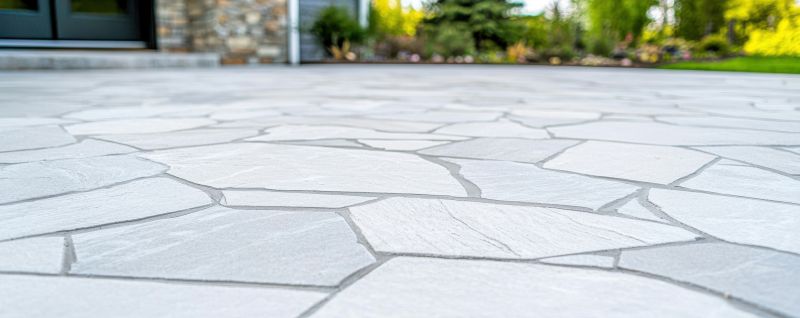
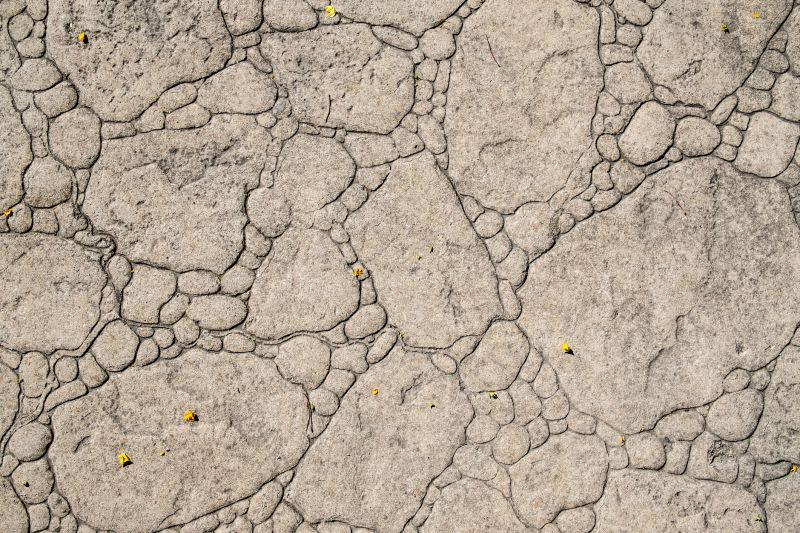
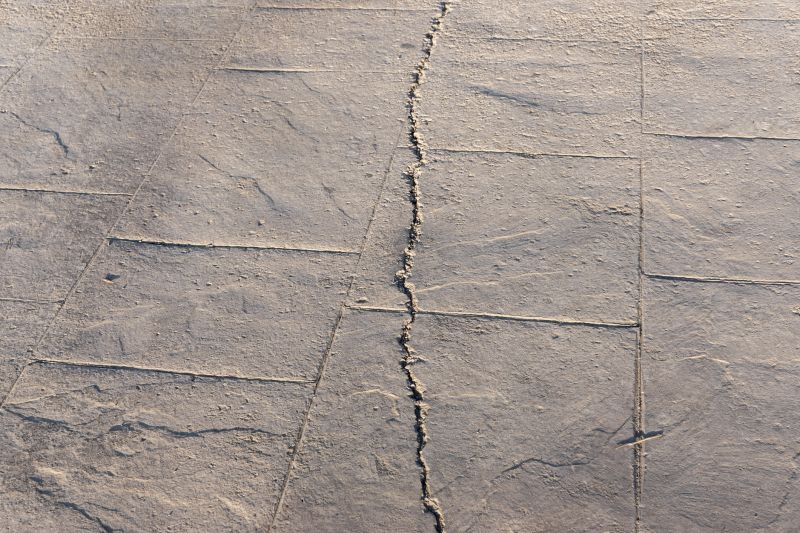
When people search for how weather exposure impacts residential stamped concrete surfaces, they are usually trying to understand how outdoor conditions can affect the appearance, durability, and longevity of their decorative concrete. Homeowners often invest in stamped concrete for patios, driveways, walkways, or pool decks to enhance curb appeal and create a customized look. However, they may notice issues like surface discoloration, cracking, or uneven textures over time, prompting concerns about how weather-related factors contribute to these problems. This search often leads homeowners to consider repairs or protective measures, making it important to understand the role weather plays in the condition of stamped concrete.
Weather exposure encompasses a variety of environmental elements that influence stamped concrete surfaces. Sunlight, rain, snow, freeze-thaw cycles, and humidity can all impact the material differently. For instance, prolonged sun exposure can cause fading or discoloration of the decorative surface, while moisture from rain or snow can lead to surface erosion or staining. Freeze-thaw cycles are particularly damaging, as trapped water can expand within the concrete, resulting in cracking or spalling. Homeowners planning outdoor projects or repairs need to consider these weather factors to ensure their stamped concrete remains attractive and structurally sound over time.
The types of properties most commonly associated with weather-related issues in stamped concrete are residential homes with outdoor living spaces. These include properties with patios, pool decks, driveways, or walkways that are exposed to the elements year-round. Homes in regions with harsh winters, high humidity, or intense sunlight are especially susceptible to weather-related damage. Homeowners with these properties often seek guidance on how weather impacts their stamped concrete surfaces and look for local service providers who can assess damage, recommend protective coatings, or perform repairs to restore the surface’s appearance and integrity.
Understanding how weather exposure impacts residential stamped concrete surfaces helps homeowners make informed decisions about maintenance and repairs. Local contractors specializing in stamped concrete repair are equipped to evaluate the specific weather-related challenges faced by a property. They can recommend appropriate sealing, crack repair, or resurfacing techniques to protect the surface from ongoing weather damage. Connecting with experienced service providers ensures that stamped concrete surfaces remain durable and visually appealing despite the effects of weather, helping homeowners preserve their investment and enjoy their outdoor spaces for years to come.
Patio and Walkway Installations - These projects require knowledge of surface preparation and finishing techniques that are similar to stamped concrete repair, especially when considering weather effects on surface durability.
Driveway Resurfacing - Local contractors handling driveway resurfacing often address issues caused by weather exposure, making their expertise relevant for stamped concrete surfaces affected by climate conditions.
Outdoor Flooring Projects - Installing or repairing outdoor flooring involves planning for weather resistance, which aligns with understanding how weather impacts stamped concrete surfaces over time.
Concrete Surface Restoration - Restoring damaged or worn concrete surfaces involves similar skills in surface assessment and weather-related deterioration prevention as stamped concrete repair services.
Pool Deck Resurfacing - Resurfacing pool decks requires managing moisture and temperature effects on concrete, paralleling challenges faced in stamped concrete exposed to weather elements.
Retaining Wall Construction - Building and repairing retaining walls involves concrete work that must withstand weather exposure, making these projects relevant for understanding weather impacts on stamped surfaces.
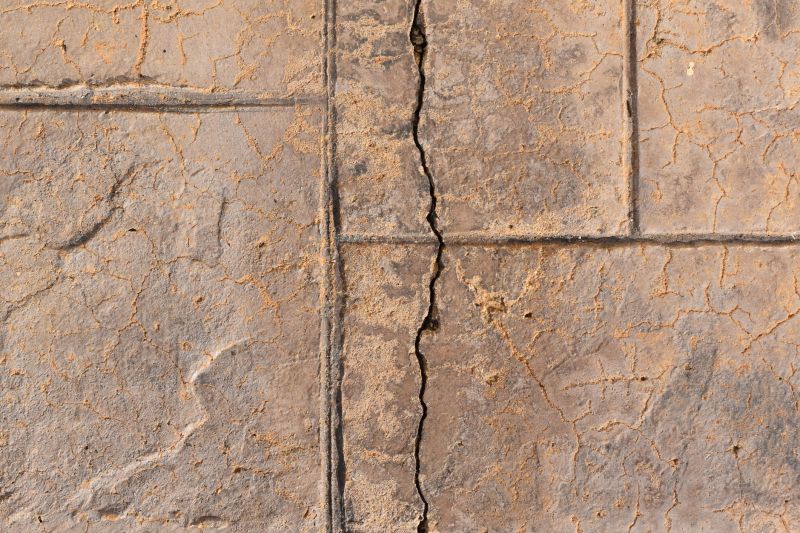
When evaluating potential service providers for residential stamped concrete repair, it is important to consider their experience with similar projects, particularly those that involve weather-related impacts. Contractors who have a track record of working on surfaces exposed to varying weather conditions are more likely to understand the specific challenges posed by weather exposure, such as cracking, discoloration, or surface deterioration. Asking about their past projects can provide insight into their familiarity with the unique demands of stamped concrete in your climate, ensuring that the repair work will address issues caused by weather exposure effectively.
Clear written expectations are essential to ensure that homeowners and contractors are aligned on the scope of work, materials used, and the expected outcome. When comparing local contractors, it’s helpful to review their proposals or estimates carefully, paying attention to how they plan to handle weather-related factors during the repair process. Reputable service providers should be transparent about their approach to preparing surfaces, selecting suitable materials, and protecting the stamped concrete from ongoing weather exposure. This clarity can help prevent misunderstandings and ensure that the repair work will stand up to weather challenges over time.
Good communication and reputable references are key indicators of a reliable contractor. Homeowners should seek out service providers who are willing to answer questions thoroughly and provide references from previous clients, especially those who had similar weather-related issues. Speaking with past customers can reveal how well a contractor managed weather exposure in previous projects and whether their repairs have held up under similar conditions. Choosing a contractor known for transparent communication and positive references can lead to a smoother repair process and results that better withstand the effects of weather exposure on stamped concrete surfaces.
Property owners often search for how weather exposure impacts residential stamped concrete surfaces when they are planning practical projects around their homes and businesses. Local pros provide Residential Stamped Concrete Repair services for everyday jobs and straightforward project options.
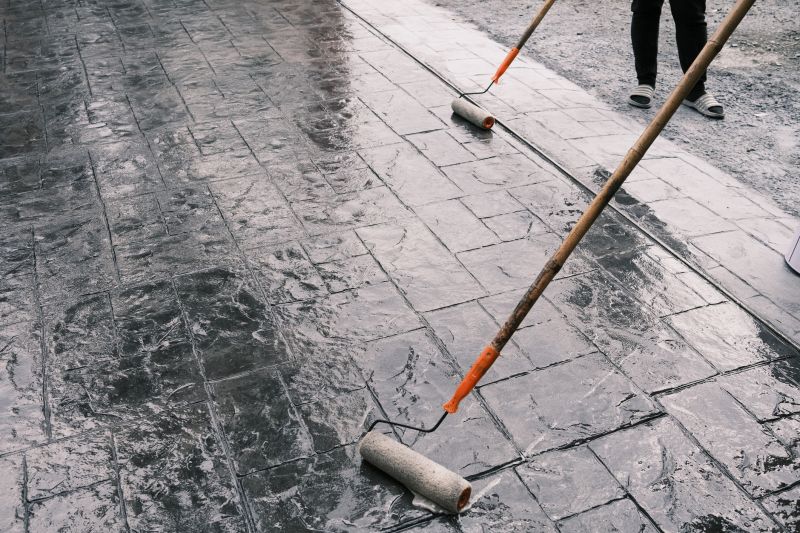
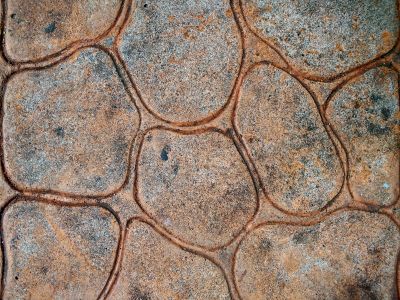
Weather exposure can significantly influence the durability and appearance of residential stamped concrete surfaces. In areas with frequent temperature fluctuations, concrete can expand and contract, leading to cracks or surface unevenness over time. Additionally, exposure to moisture from rain or snow can cause staining, surface erosion, or even lead to the development of mold and mildew if proper sealing and maintenance are not performed. Property owners noticing signs of surface deterioration or seeking to prevent future damage often turn to local contractors experienced in stamped concrete repair to restore the surface’s integrity and aesthetic appeal.
Understanding how weather impacts stamped concrete helps homeowners make informed decisions about repairs and protective measures. Local service providers can assess existing damage caused by weather exposure and recommend appropriate solutions, such as sealing, resurfacing, or crack repair. Regular maintenance by qualified contractors can also help extend the lifespan of stamped concrete surfaces, ensuring they remain attractive and functional despite the challenges posed by local weather conditions.
How does weather exposure affect the durability of residential stamped concrete surfaces? Weather exposure can lead to cracking, spalling, and surface deterioration in stamped concrete, especially when subjected to freeze-thaw cycles, moisture, and temperature fluctuations. Local contractors experienced in stamped concrete repair can assess and address weather-related damage to restore the surface's integrity.
What are common signs that weather exposure has damaged a stamped concrete surface? Visible signs include surface cracks, pitting, discoloration, and uneven texture. These issues often result from prolonged exposure to moisture, sunlight, or freezing temperatures. Local service providers can evaluate the extent of weather-related damage and recommend appropriate repairs.
Can weather exposure cause color fading or staining on stamped concrete? Yes, prolonged exposure to sunlight and moisture can cause fading or staining of the stamped concrete's color and finish. Repair experts can help restore the appearance through cleaning, resealing, or color correction treatments.
How can weather exposure impact the need for residential stamped concrete repairs? Weather exposure can accelerate wear and tear, increasing the likelihood of needing repairs such as surface patching, sealing, or resurfacing. Local pros can perform maintenance to help prolong the life of stamped concrete surfaces affected by weather conditions.
What preventative measures can be taken to protect stamped concrete from weather damage? Applying high-quality sealers, ensuring proper drainage, and scheduling regular maintenance can help protect stamped concrete surfaces. Local contractors can advise on suitable protective treatments and repair strategies to minimize weather-related damage.
Assessing weather impact - property owners can evaluate how seasonal changes affect their stamped concrete surfaces and plan repairs accordingly with local contractors.
Choosing weather-resistant finishes - selecting durable sealers and surface treatments can help mitigate weather damage on stamped concrete exposed to varying conditions.
Timing repairs around climate - scheduling concrete repairs during milder weather periods can improve the longevity of restoration work handled by service providers.
Implementing protective measures - applying sealants and coverings before harsh weather seasons can reduce surface deterioration and extend the life of stamped concrete surfaces.
If you are thinking about how weather exposure impacts residential stamped concrete surfaces for a property, this guide is meant to help you understand this topic, the typical project types, and how different options might fit your plans.
When you are ready, you can use the quote form on this page to share a few details about your project. From there, local pros can review the basics and follow up with options that match what you have in mind.